


- US - English
- China - 简体中文
- India - English
- Japan - 日本語
- Malaysia - English
- Singapore - English
- Taiwan – 繁體中文
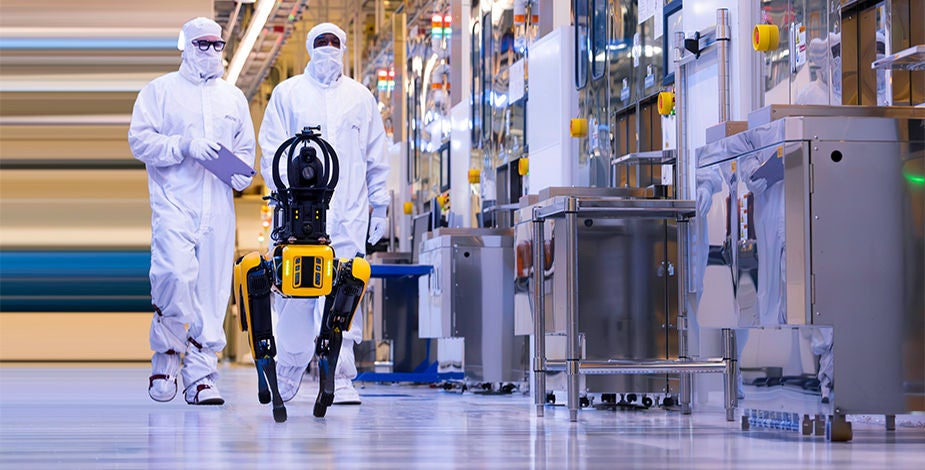
If it feels like robots are evolving faster than ever, that's because they are. We're watching an industry shift in real time, from factory floors to warehouses to emerging humanoid systems, all powered by advances in AI, sensing and autonomy. Robots aren't just tools anymore; they're becoming intelligent partners in how work gets done.
And here's the thing most people don't talk about; as robots get smarter, their memory and storage needs explode. In fact, behind every breakthrough in autonomy, perception or real‑time decision‑making, there's an invisible ecosystem making it all possible with a strong reliance on high‑performance memory and storage.
That's where Micron fits in at the heart of next‑generation robotic AI intelligence.
Robotics market is growing as fast as the machines
The global robotics market is expected to hit $178 billion by 20301, and it's not just because robots look cool in demo videos. They're reshaping real industries like manufacturing, logistics, healthcare and services and accelerating digital transformation across the board. Let's break down the key players driving that growth:
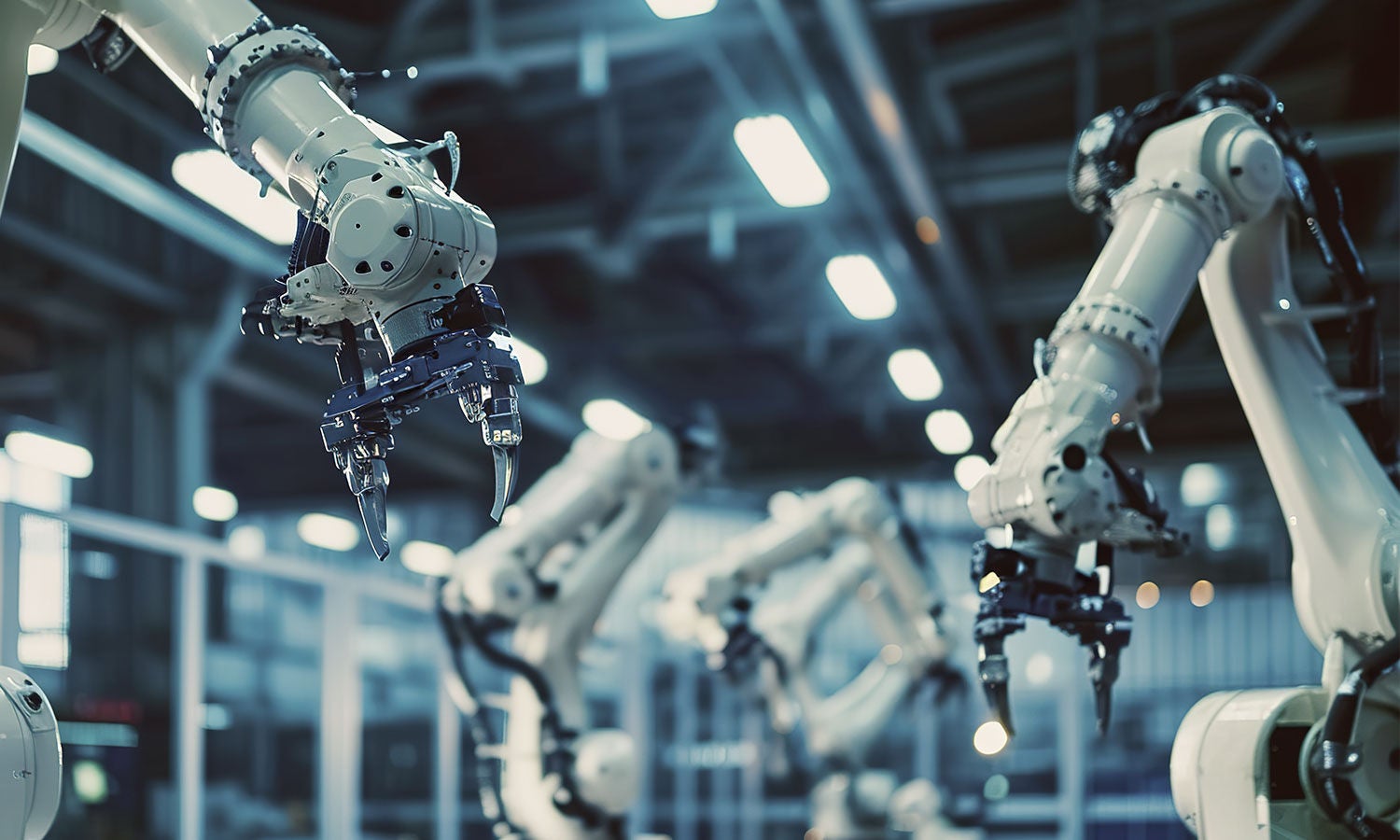 Factory robots and cobots
(click image to enlarge)
Factory robots and cobots
These aren't the rigid, isolated machines of the past. Today's systems add AI perception, safer human collaboration and adaptive capabilities. They are high-precision, fixed-function manipulators for repetitive tasks designed for safe human co-work. Frequent use cases include high-speed pick-and-place, welding, assembly, packaging, palletizing and medical lab use.
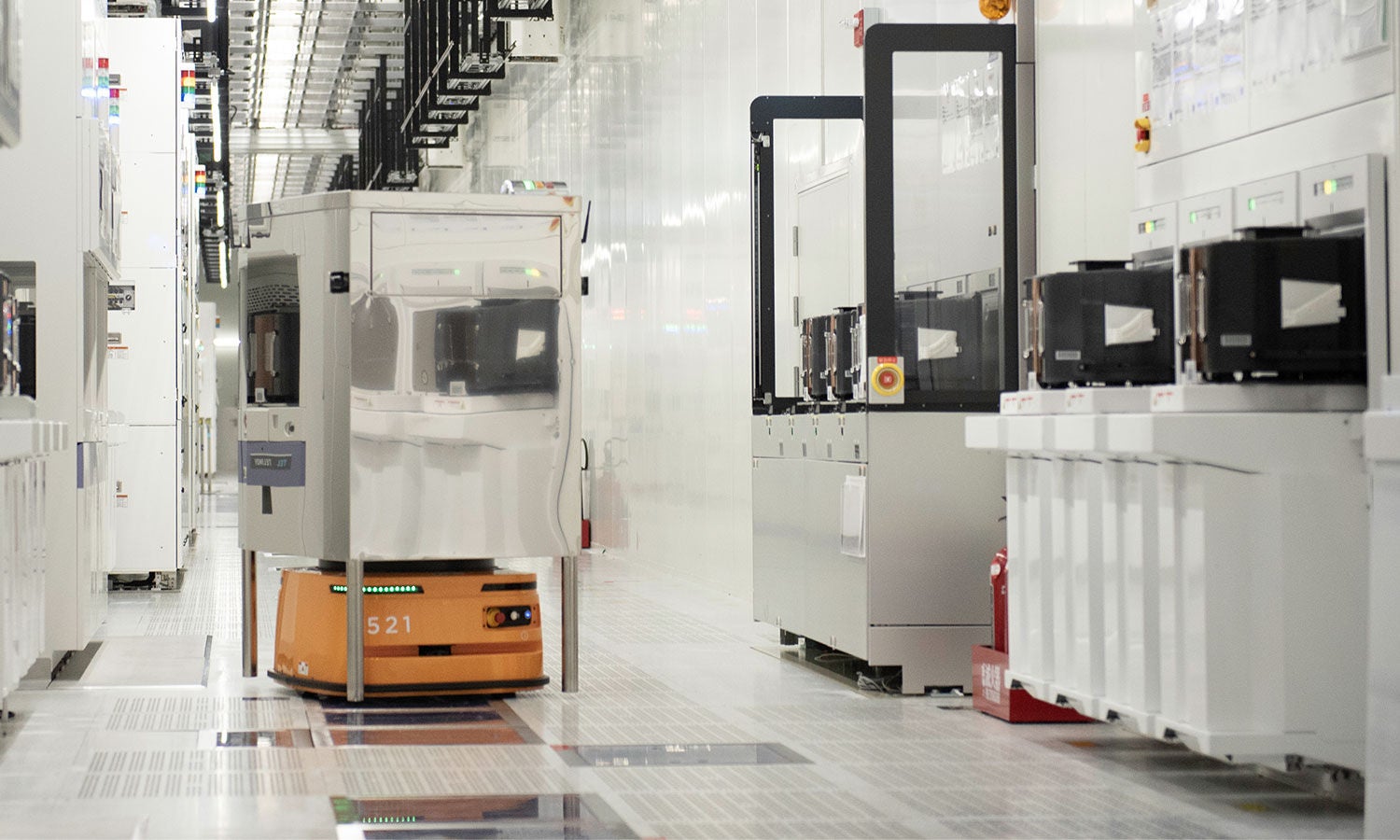 Autonomous mobile robots
(click image to enlarge)
Autonomous mobile robots (AMRs)
Think of them as mobile AI computers, packed with sensors, mapping intelligence and the ability to make split‑second decisions. They are autonomous robots that navigate dynamic environments using SLAM mapping and sensor fusion. Frequent use cases include factory logistics, warehouse transport and delivery.
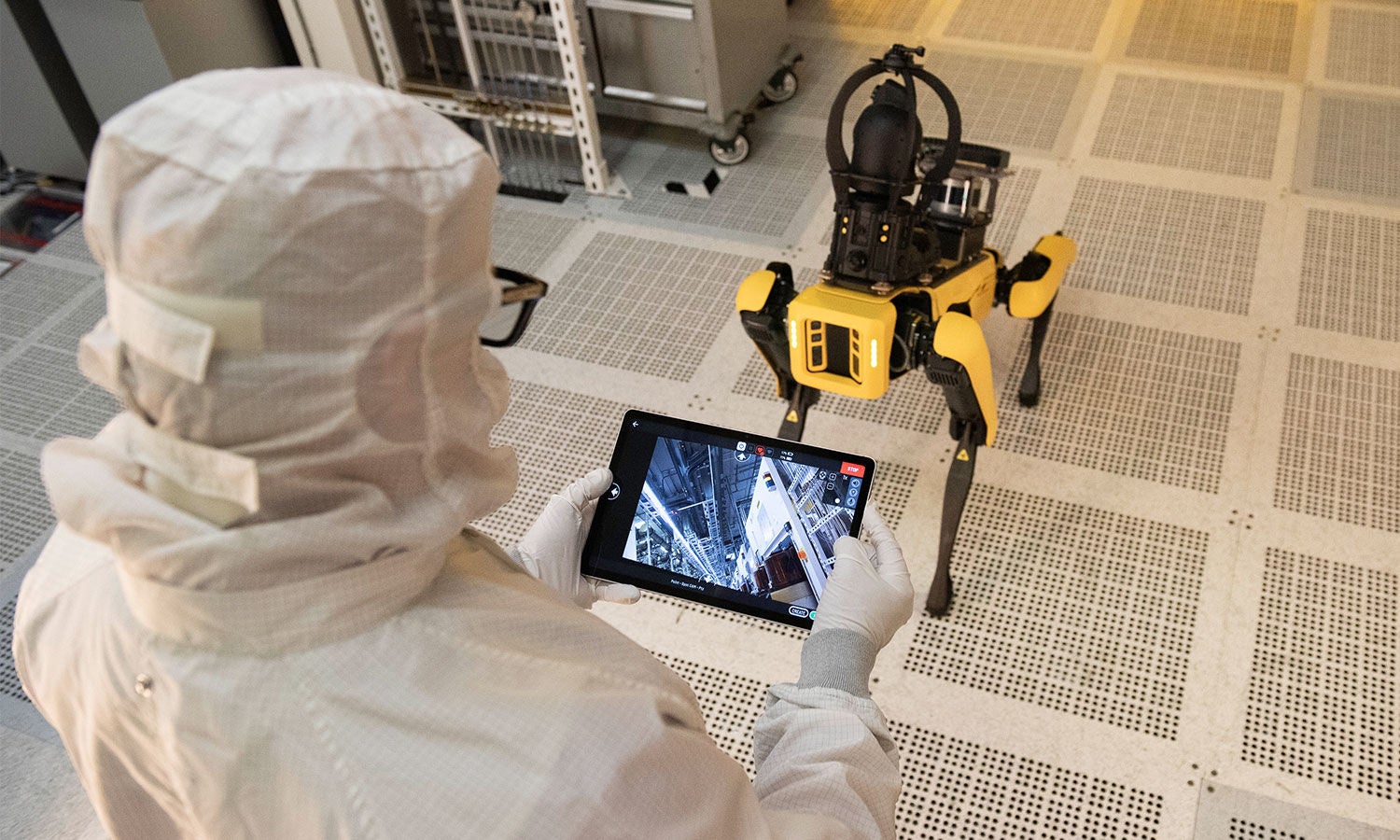 Service robots
(click image to enlarge)
Service robots
These are task‑oriented robots designed to operate safely in public and semi‑structured environments. They combine basic autonomy with AI‑driven perception, such as collision avoidance, object recognition and simple decision‑making. While typically lower cost and less complex than industrial or humanoid systems, they are optimized for reliability, ease of deployment and continuous operation around people. Frequent use cases include food service and hospitality; security patrol and monitoring; valet and parking assistance; retail inventory scanning and customer interaction; healthcare support; and commercial cleaning and sanitation.
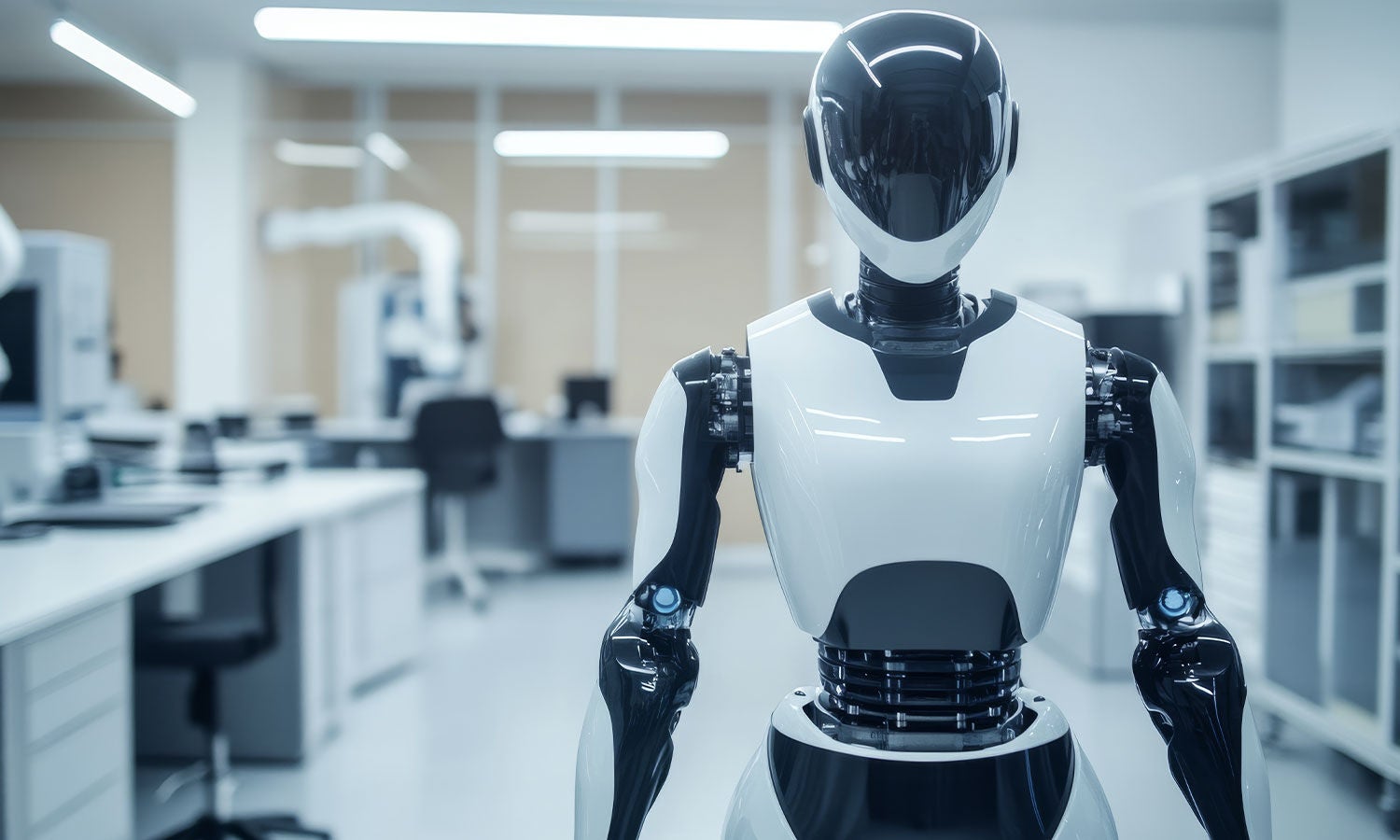 Humanoid robots
(click image to enlarge)
Humanoids
These are human-form robots using advanced AI, perception and dexterous actuation to perform general-purpose tasks. They require massive compute, high‑bandwidth memory and ultra‑fast storage to operate safely in unstructured, human‑designed environments. Frequent use cases include patient aid in clinical environments; inspections in hazardous conditions, disaster response; performing routine, repetitive tasks; and assisting with everyday household activities.
Each of these categories is evolving fast and with every leap in autonomy comes a leap in what the hardware needs to support.
| Industrial/collaborative | Mobile | Service | Humanoid | |
| What is it? | High-precision, fixed-function manipulators for repetitive tasks; designed for safe human co-work | Autonomous robots that navigate dynamic environments using SLAM, mapping, and sensor fusion | Basic robots with collision avoidance and object recognition | Human-form robots using advanced AI, perception, and dexterous actuation to perform general-purpose tasks |
| Use case examples | High-speed pick and place; welding; assembly, packaging, palletizing; medical lab use | Factory logistics; warehouse transport; delivery | Food serving; security; valet; retail; cleaning | Patient aid in clinical environments; inspections in hazardous conditions; disaster response; performing routine, repetitive tasks; assisting with everyday household activities |
| Memory and storage highlights* |
|
|
|
|
| What’s driving memory and storage needs? | Deterministic control; stable firmware; reliable operation in harsh environments; fast sensor fusion; real-time responsive interaction | Compute-heavy navigation; map retention; multi-camera and LiDAR fusion | Navigation; object detection and collision avoidance | Heavy AI inference; multi-actuator coordination; high-bandwidth sensing (multi-cam, IMU, tactile) |
| * Typical BoM for memory and storage based on Micron estimates | ||||
So why is memory important to robotics?
Because modern robots aren’t just machines. They’re edge computers with bodies. Across all types of robots, from simple arms to walking humanoids, three things are happening at once:
- AI is essential to robotics, pushing intelligence to the edge.
Modern robots rely on AI to perceive their environment and make real-time decisions. For latency‑sensitive and safety‑aware workloads, reliance on cloud processing can introduce delays, bandwidth demands and data‑management considerations that are better addressed closer to where data is generated. As a result, intelligence is moving to the edge. Processing and storing AI directly on the device enables real-time decisions, continued operation without connectivity and stronger data control. While the cloud remains essential for fleet level learning and orchestration, real-time autonomy depends on edge AI, where decisions must be made the moment they matter. - DRAM and NAND requirements are skyrocketing.
Bigger AI models, real‑time perception and multi‑sensor fusion mean robots need more bandwidth and more capacity than ever. - Sensor data logging is continuous and massive.
High‑rate video, LiDAR, telemetry, all of it requires fast, durable, high‑endurance storage that can keep up with 24/7 data capture.
And humanoids? They push everything to the extreme. To reach commercial viability, they need next‑generation memory like LPDDR5/6 and high‑performance SSDs that can keep up with real‑time perception and physical interaction.
Why this robotic AI moment matters
Robots have crossed a threshold. They’re no longer predictable, pre‑programmed devices. They’re adaptive, AI‑driven systems operating at the edge and they’re hungry for performance.
That’s why memory and storage suddenly matter so much. This hardware has become the backbone of fast decision‑making, real‑time responsiveness, safe collaboration, scalable autonomy and AI‑driven behavior.
And this is exactly where Micron shines
Micron’s leadership in high‑performance DRAM and NAND built for speed, reliability and edge resilience positions us right at the center of the next wave of robotics innovation. As AI models grow larger and run continuously on-device, power efficiency becomes a system level requirement, and memory quality and longevity determine uptime. Built for sustained AI inference, continuous data logging and harsh edge environments, Micron’s memory and storage products are engineered to last. As humanoids emerge as one of the most demanding AI platforms ever built, Micron’s technology is not just enabling robotics innovation, it is essential to making autonomous systems scalable, dependable and commercially viable.
The bottom line
Robotics is entering its intelligence era and the shift toward AI-driven autonomy is materially increasing the memory and storage content inside every class of robot. Intelligence requires memory. The companies building the future of automation need hardware that keeps up with their imagination and with their workloads. From AI‑driven factory robots to self‑navigating AMRs to humanoids capable of complex, human‑level interaction, each step toward richer perception and greater autonomy drives higher DRAM capacity, faster bandwidth and more durable NAND or SSD‑based storage. The demand is only rising. And as robots continue to evolve, one truth becomes clear: smarter robots need smarter memory. And Micron is building it.
For more details: dive deeper into how Micron provides memory and storage for industrial IoT solutions.